 English
 中文简体
中文简体 日本語
日本語 Español
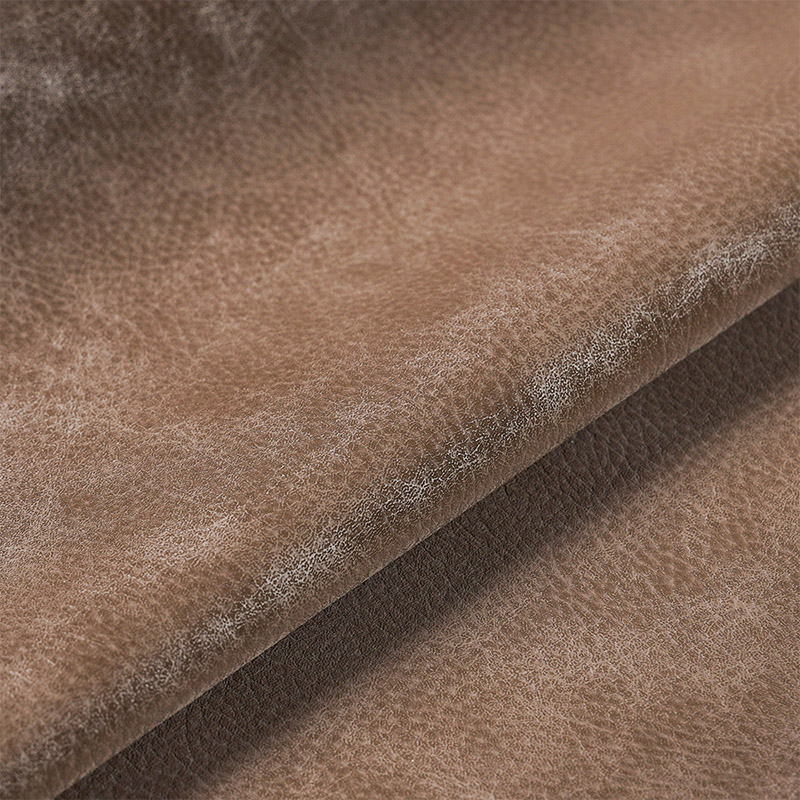
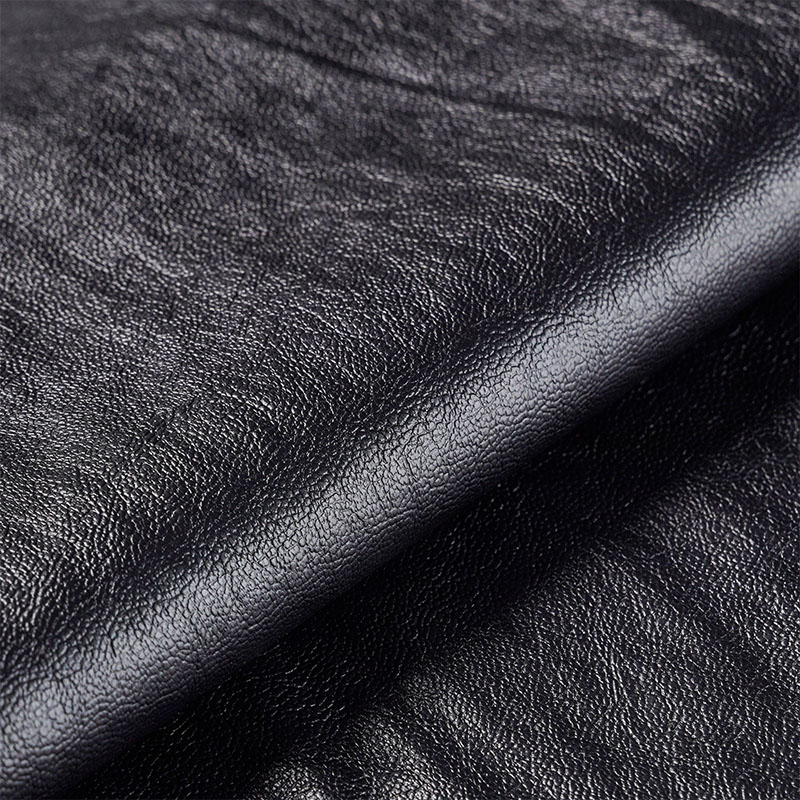
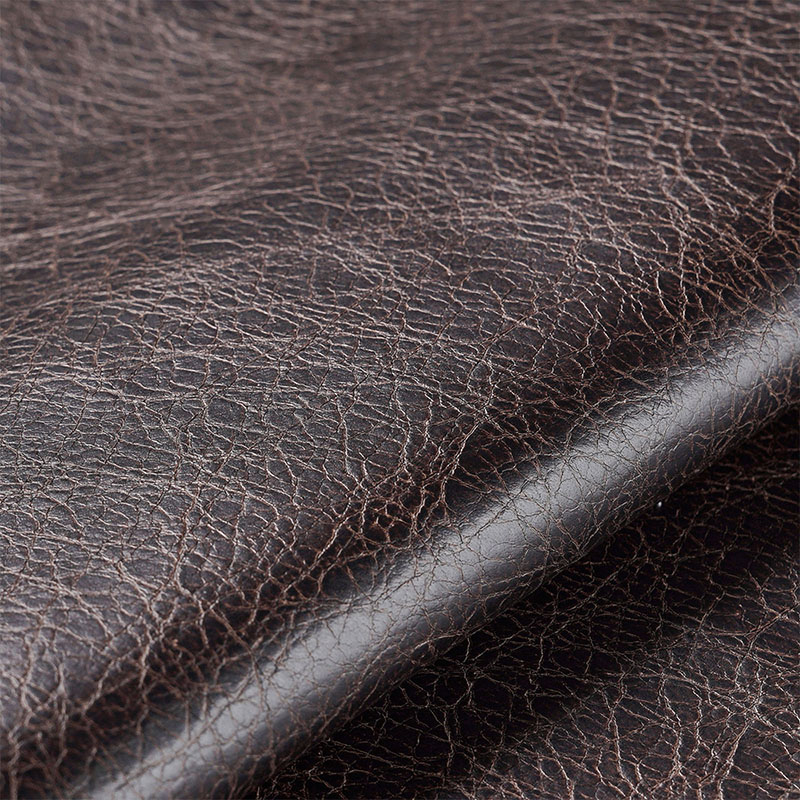
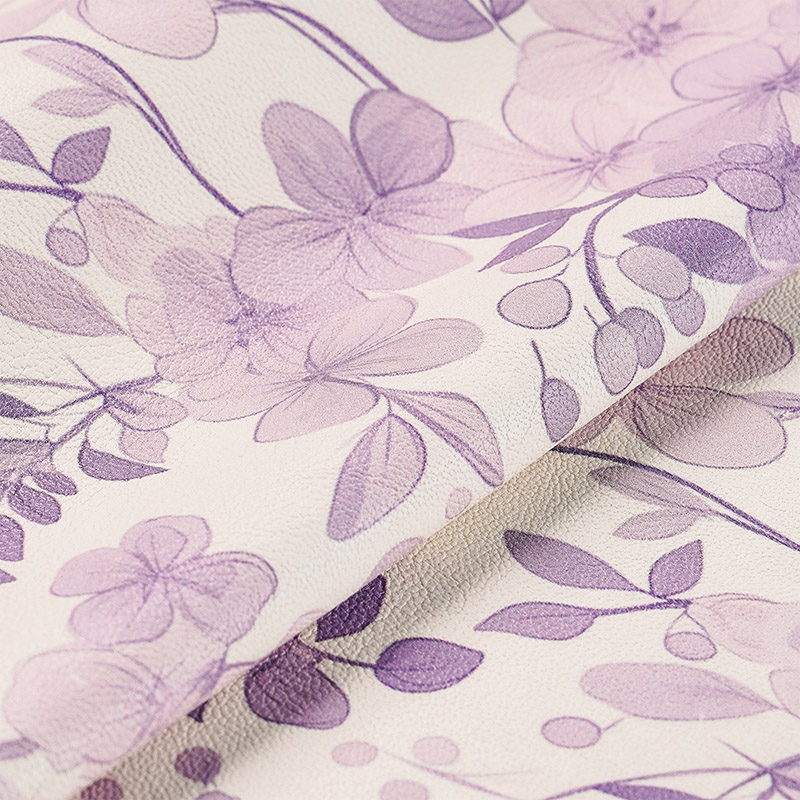
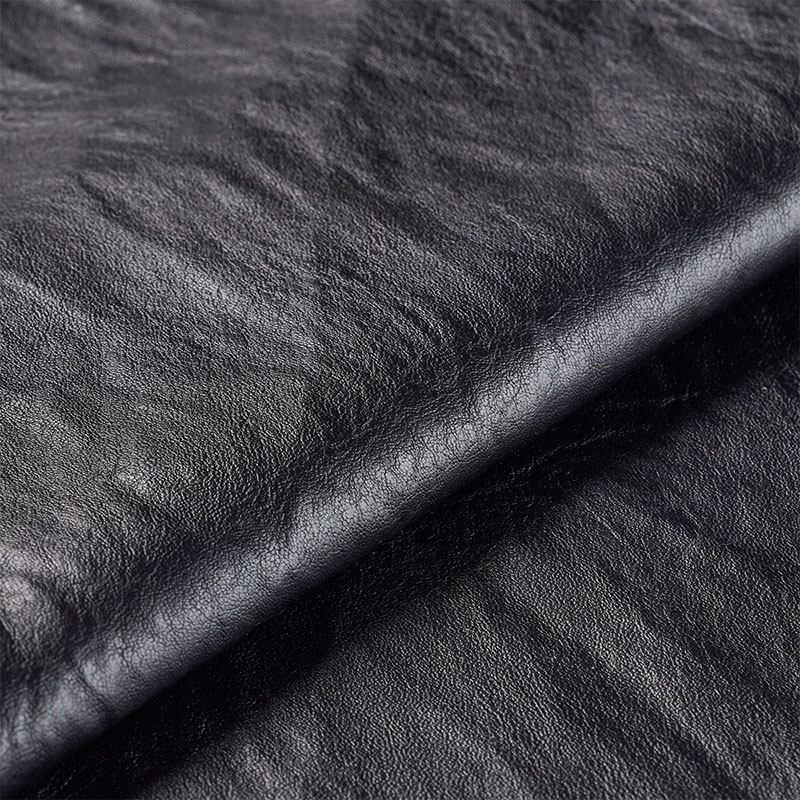
Global manufacturing industries are under increasing pressure to balance performance, cost efficiency, and environmental responsibility. From automotive interiors to furniture, footwear, and consumer electronics, buyers are rethinking traditional material choices in favor of solutions that reduce environmental impact while maintaining durability and aesthetic quality. In this context, Biobased Leatherette Supplier solutions are becoming an important part of sourcing strategies as companies search for scalable, eco-conscious alternatives to conventional synthetic materials.
Recent industry search patterns show that procurement teams are increasingly focused on lifecycle performance, material safety, and production compatibility rather than surface-level “eco-friendly” claims.
Why Are Material Safety Standards Becoming More Strict?
As global regulations tighten, especially in Europe and North America, material compliance requirements are becoming more detailed and technical. Buyers are now expected to ensure that surface materials meet both environmental and health safety standards.
Key focus areas include:
- Reduced VOC (volatile organic compound) emissions
- Compliance with REACH and other chemical safety standards
- Non-toxic formulation for indoor applications
- Transparent material composition reporting
These requirements are pushing suppliers to improve both formulation and documentation systems.
How Is Automotive Interior Design Influencing Material Demand?
The automotive industry remains one of the strongest drivers of innovation in synthetic and bio-based leather alternatives. As vehicle interiors become more premium and comfort-focused, material performance expectations continue to rise.
Industry priorities include:
- Soft-touch texture with premium visual appearance
- High abrasion resistance for long-term use
- Heat and UV stability in cabin environments
- Compatibility with automated upholstery processes
Automotive OEMs are especially focused on balancing luxury aesthetics with sustainability targets.
Why Is Durability Still a Key Purchasing Factor?
Even with strong sustainability trends, buyers still prioritize durability as a core performance requirement. Materials must withstand real-world usage conditions without losing appearance or structural integrity.
Common durability expectations include:
- Resistance to surface cracking and peeling
- Stable color retention over time
- Flexibility under repeated bending and stretching
- Long service life under daily use conditions
Durability ensures that sustainability does not compromise product longevity.
How Are Furniture Manufacturers Adapting to Material Change?
Furniture manufacturers are also shifting toward eco-conscious materials, especially in office furniture, hospitality, and residential interior markets. This shift is driven by both consumer preference and corporate sustainability commitments.
Key material requirements include:
- Easy processing for cutting and stitching
- Consistent texture for large-scale production
- Wide color and grain customization options
- Cost-effective scalability for mass production
Material flexibility is becoming essential for design innovation.
Why Is Supply Chain Stability Important for Buyers?
As global sourcing becomes more complex, supply chain reliability is a major concern for manufacturers. Buyers want assurance that materials will remain stable in quality and availability.
Procurement teams are focusing on:
- Consistent batch-to-batch production quality
- Reliable advance times for large orders
- Stable raw material sourcing channels
- Technical support for application development
Supply chain reliability directly affects production planning and brand reputation.
Manufacturer Insight: What Are Global Buyers Prioritizing?
As a manufacturer in sustainable surface material solutions, we see a clear shift toward performance-verified and application-specific sourcing. Buyers are no longer satisfied with general claims—they require measurable and consistent results.
Typical OEM requirements include:
- Customized formulations for different industries
- Stable production scalability for global demand
- Verified environmental compliance documentation
- Long-term partnership-based supply models
This reflects the growing professionalism and maturity of the sustainable materials market.
Is Material Engineering Defining the Future of Upholstery Industries?
As sustainability continues to shape global manufacturing, material innovation is becoming a core competitive factor across industries. Performance, compliance, and environmental responsibility are now equally important in procurement decisions.
In this evolving market, partnering with a reliable Plant-Based Vegan Leatherette provider helps manufacturers achieve both sustainability goals and industrial performance requirements, supporting long-term growth and global market competitiveness.